
How Much Snow Can Your Roof Hold? (Snow Load Guide)
Quick Answer When Should Your Remove Snow From Your Roof? Most residential roofs are designed to handle a specific snow weight — not depth. As a general rule, act before


Ice dams are thick areas of ice that form along the eaves of your roof. These dams might seem like a nuisance, but they can cause serious problems. They can become a danger to you and your home when they form due to the damage they can cause.
Ice dams form when parts of your roof warm up enough to melt snow, while the edges stay below freezing. Instead of draining off the roof, that melted water refreezes at the eaves and builds up into a thick ridge of ice.
In New England, this problem is extremely common because the climate encourages frequent melting and refreezing. Homes across Massachusetts, New Hampshire, and Maine often struggle with uneven roof temperatures for a few reasons:
Ice dams can be obvious, but sometimes the early warning signs are subtle. Catching them as soon as possible helps prevent far more serious damage down the line.
Outside your home, you may notice:
Inside your home, pay attention to any:

These temporary steps can help reduce ice buildup, but they are not long-term solutions. Their main purpose is to relieve pressure on the roof until you can implement more permanent fixes.
Short-term fixes can help you get through a storm, but long-term prevention is the only way to stop ice dams from returning year after year. New England homes need a roofing system that keeps the roof deck cold, stops indoor heat from escaping into the attic, and protects vulnerable areas from leaks.
Below are the best long-term strategies that keep ice dams from forming in the first place.
The single most important step in preventing ice dams is improving attic ventilation. When warm indoor air leaks upward, it heats the roof deck, triggering the melt-refreeze cycle that forms ice dams.
Improving insulation and air sealing helps maintain a consistent roof temperature and reduces energy costs. Homes in colder climates like New England typically benefit from higher R-values in the attic. Proper insulation keeps heated indoor air inside your living space instead of letting it escape upward.
For many homeowners, this is the most cost-effective long-term fix.
A soffit and ridge vent system helps circulate cold air under the roof. Keeping the roof cold may sound counterintuitive, but it’s not. A “cold roof” helps prevent snowmelt, which is what contributes to the formation of ice dams. Ventilation allows cold outside air to circulate under the roof deck, preventing heat buildup that triggers snowmelt.
Many New England homes were built without modern ventilation systems, which makes this step especially important.
Modern roofing materials and details help keep your roof protected even during severe winters. A drip edge, ice and water shield, and flashing improvements are all worth considering, especially if your roof is older or has known problem areas.
Heat cables are another consideration, but should only be used as a last resort. These cables clip along the edge of your roof, heating it from the exterior. Use heat cables only when the roof design makes insulation or ventilation upgrades difficult or you’re managing a particularly stubborn roof section.

If you haven’t taken the steps to prevent ice dams, you can try to pull the snow off with an ice rake that comes with an extension or wheels. Do this immediately after the first snowfall to prevent ice buildup.
Avoid getting on a ladder or climbing onto the roof in icy conditions to prevent falls and injuries.
Ice dams may start small, but they can quickly develop into major roofing problems if the underlying causes aren’t addressed. A professional roofer can identify heat loss, ventilation failures, or hidden damage that homeowners often can’t see from the ground.
You should contact a roofing professional when:
A professional assessment typically includes an attic evaluation, roof inspection, and review of your home’s ventilation setup. Some roofing companies may use infrared scanning technology to identify warm spots, insulation gaps, or hidden leaks.
Adam Vaillancourt Roofing provides free, no-obligation assessments, which include a complete interior and exterior evaluation to identify conditions that lead to ice dams. If roof repairs are needed, we can recommend solutions based on the type and condition of your roofing system.
Winter brings a variety of roofing hazards, especially during storms or when snow and ice pile up. Keeping your roof maintained is important, but staying safe is even more critical.
Here are some winter roof safety guidelines for homeowners:
With the right combination of insulation, ventilation, and protective roofing details, you can dramatically reduce the risk of ice dams. Short-term measures can help you get through a storm, but long-term solutions are what keeps your home safe.
The best time to address ice dam prevention is before the cold weather sets in. A professional roofing inspection from Adam Vaillancourt Roofing can help identify hidden issues such as heat loss, inadequate ventilation, or outdated flashing, long before winter weather makes the problem worse.
Prepare your home for the season and get ahead of winter damage. Schedule a roof inspection with our New England roofing experts today.
Quick Answer When Should Your Remove Snow From Your Roof? Most residential roofs are designed to handle a specific snow weight — not depth. As a general rule, act before

EPDM roofing material is the smooth black surface stretched across flat garages, apartment buildings, and commercial rooftops. Unlike shingle roofs that draw attention with texture and color, EPDM tends to
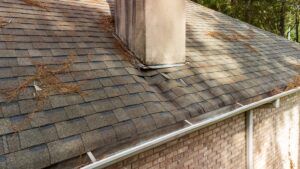
Have you ever stepped back from your house and noticed a dip or curve in the roofline where it should be straight? If you have, it’s normal to feel concerned.