
How Much Snow Can Your Roof Hold? (Snow Load Guide)
Quick Answer When Should Your Remove Snow From Your Roof? Most residential roofs are designed to handle a specific snow weight — not depth. As

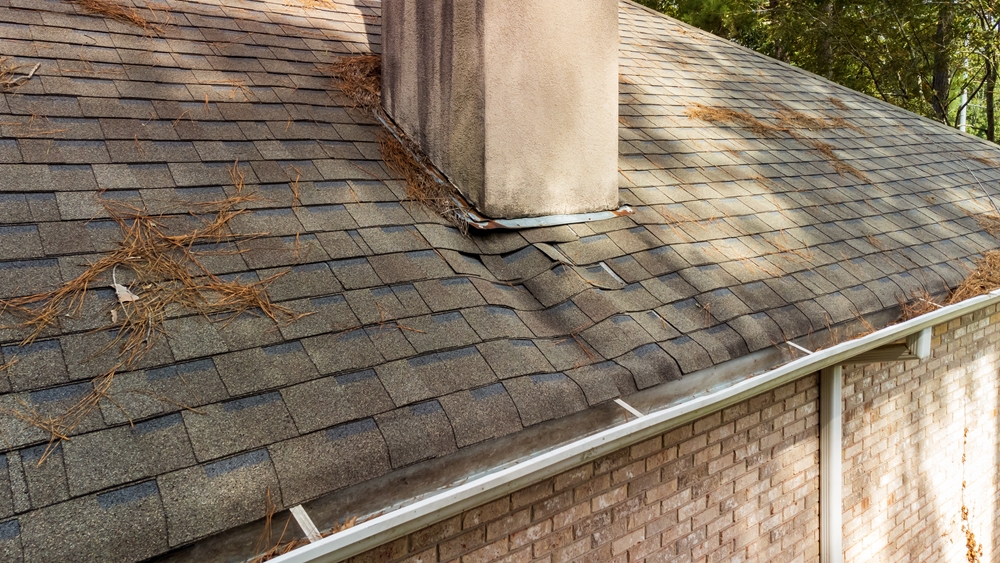
A sagging roof is exactly what it sounds like. It’s a roofline that appears uneven, bowed, or sunken instead of straight and level. This often shows up along the ridge, between support points, or over a specific section of the home. Sometimes it’s subtle and only noticeable from certain angles. Other times, it’s obvious enough that you can spot it from the street.
An easy way to picture roof sagging is to think about a bookshelf. When it’s overloaded with heavy books and lacks proper support, the shelf starts to bow in the middle. A roof behaves in a similar way. When the structure beneath the shingles can no longer support the weight above it, the roofline begins to dip.
Not every uneven roof means there’s a serious structural problem, but any visible sag is a sign that something has changed. It may indicate aging materials, moisture damage, or long-term stress that requires professional attention.
Roof sagging rarely happens overnight. In most homes, it develops slowly as materials weaken or structural stress builds over time. Understanding the most common causes can help you pinpoint what might be affecting your roof and why professional evaluation matters.
Water is one of the biggest threats to a roof’s structural integrity. When moisture infiltrates your roof, it can weaken both the decking and the supporting wood beneath it.
Common sources of moisture-related roof sagging include:
As wood absorbs moisture, it can soften, warp, or rot. Over time, this reduces its ability to support weight, leading to visible dips in the roofline. Moisture damage often starts small, which is why early detection makes such a difference.
Roofs are designed to handle a certain amount of weight, but problems arise when that limit is exceeded. Heavy snow accumulation, wet leaves, or debris left sitting on the roof can add stress that the structure was not built to support long-term.
Other weight-related issues that could affect your roof:
Signs of excess weight damage may include ceiling bulges or visible bending in rafters. You may even hear beams cracking. In regions that experience harsh winters, repeated freeze-and-thaw cycles can worsen these issues season after season.
Every roof has a lifespan, and the materials beneath the shingles age just like the roofing surface itself. As years pass, wood framing can lose strength due to constant exposure to temperature changes, humidity, and general wear.
Factors that accelerate age-related sagging include:
Even well-maintained roofs can show signs of sagging as structural components naturally weaken. This type of sagging often develops gradually and may go unnoticed until it becomes more pronounced.
In some cases, roof sagging traces back to how the home was built. Issues such as undersized rafters, improper spacing, or missing support beams can create structural weaknesses that only become apparent years later.
These design or construction flaws may be:
Because these issues are often hidden, homeowners may not realize there’s a problem until the roofline begins to dip. A professional inspection is usually needed to identify construction-related causes.
Pests can quietly cause serious damage to a roof’s structure. Termites, carpenter ants, and other wood-destroying insects feed on framing and decking, reducing strength from the inside out.
Additional structural concerns include things like:
These issues often start in the attic, which is why regular attic inspections are so important. By the time roof sagging becomes visible, the underlying damage may already be significant
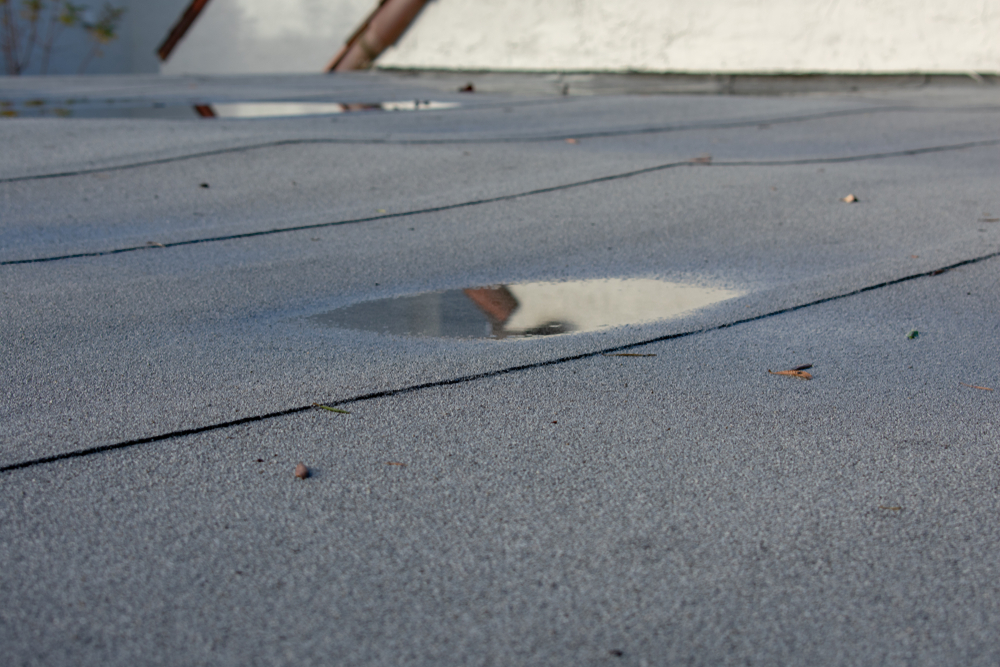
Spotting roof sagging early can make a major difference in how extensive and expensive repairs become. Some warning signs are easy to see from the outside, while others show up inside your home. Paying attention to both can help you catch problems before they worsen.
Exterior signs to watch for:
Interior signs to watch for:
A sagging roof may seem minor at first, but ignoring it can allow underlying problems to worsen over time. As sagging worsens, it can lead to:
In severe cases, continued sagging can compromise the safety of the home. Structural failure is rare, but it becomes more likely when warning signs are ignored for long periods.
There are also practical concerns to consider. Roof sagging can complicate insurance claims, especially if damage is linked to long-term wear or deferred maintenance. It may also raise red flags during a home inspection, potentially delaying or derailing a sale.
When roof sagging becomes noticeable, a professional evaluation is essential. Structural issues aren’t something to diagnose from the ground, and quick DIY fixes can make the problem worse. A trained roofing contractor can identify the root cause and recommend the safest solution.
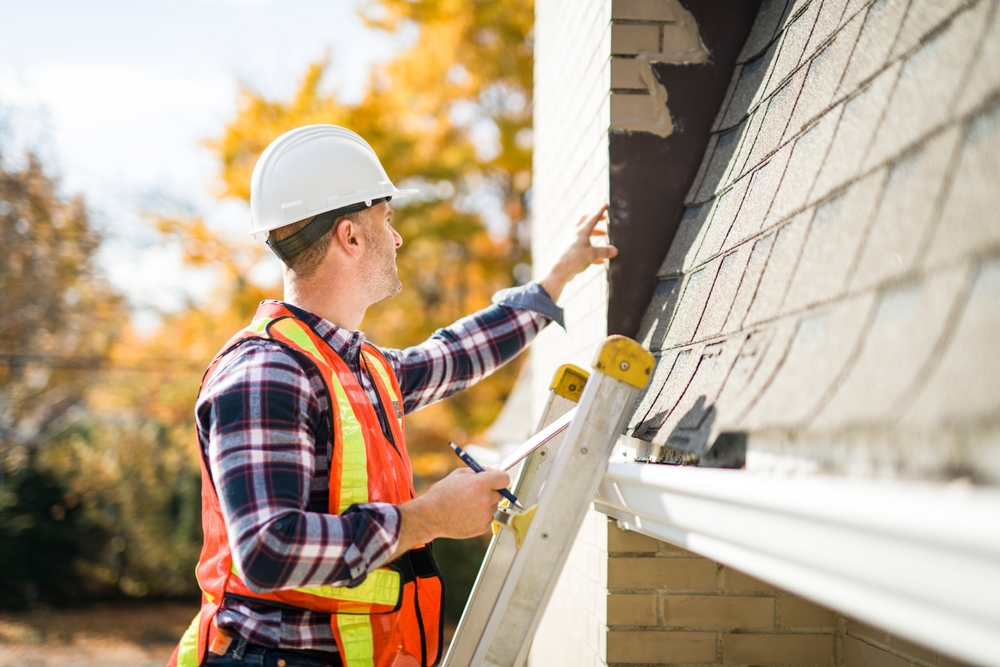
A professional inspection is always the starting point. During an inspection, a roofing contractor looks beyond the surface to assess the roof’s overall condition.
Most inspections take 1 to 2 hours, depending on the roof’s size and accessibility. If you’re concerned about roof sagging, scheduling a professional roof inspection can provide clarity and peace of mind before the damage worsens.
When sagging is minor and the roof materials are still in good condition, reinforcement may be enough to restore stability. One common method is “sistering,” which involves attaching new framing members alongside existing rafters to strengthen them.
This approach can extend the life of the roof while preventing further movement, but it must be done correctly to avoid shifting stress elsewhere.
If roof sagging is caused by rot, pest damage, or compromised decking, replacing affected materials may be necessary. The cost and scope of these repairs depend on the extent of the damage and the accessibility of the affected areas.
A professional roof repair plan ensures damaged components are addressed properly without creating new structural issues.
In some cases, a complete roof replacement is the best long-term solution. This is typically recommended when sagging is widespread, the roof is near the end of its lifespan, or repairs would only offer a short-term fix.
While it’s a larger investment upfront, replacing the roof can reduce the risk of ongoing repairs and recurring sagging over time.
While not all roof sagging can be prevented, regular maintenance can reduce the risk and help catch problems early. Here are several preventative measures you can take:
Staying proactive can extend the life of your roof and help you avoid unexpected structural issues.
You should be concerned any time a roofline appears uneven or changes over time. Minor sagging may not be urgent, but it should always be evaluated to rule out structural damage.
Very slight variations can occur in older homes, but noticeable dips or bows are not considered normal. Sagging that is visible from the street or worsens over time should be inspected by a professional.
It depends. Sudden damage from storm damage may be eligible, but sagging caused by wear and tear or poor maintenance is often excluded. Reviewing your policy and documentation is important.
Most residential roofs last between 20 and 30 years, depending on materials, climate, and maintenance. Structural components can weaken over time, even if the roof surface still looks intact.
If you’ve noticed signs of roof sagging, contact us. We can get you scheduled for a roof inspection.
Quick Answer When Should Your Remove Snow From Your Roof? Most residential roofs are designed to handle a specific snow weight — not depth. As

EPDM roofing material is the smooth black surface stretched across flat garages, apartment buildings, and commercial rooftops. Unlike shingle roofs that draw attention with texture
Have you ever stepped back from your house and noticed a dip or curve in the roofline where it should be straight? If you have,