
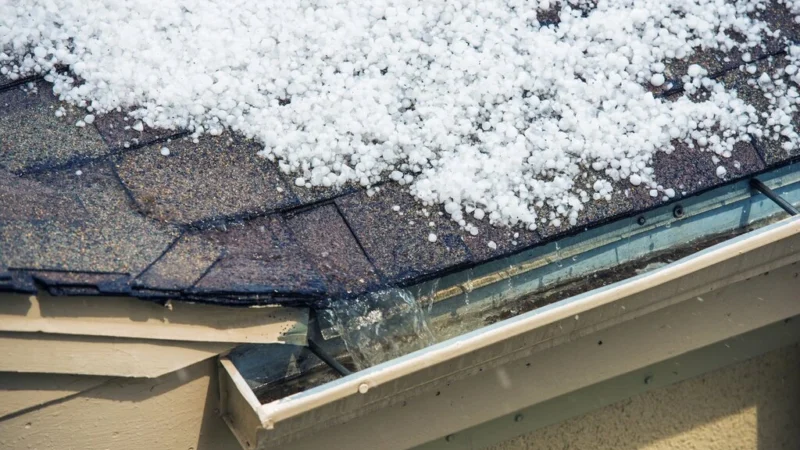
You finally get a warm weekend after months of snow and freezing temperatures, only to notice a water stain near the ceiling or shingles sitting in the driveway after the snow melts. This is often how winter roof damage starts showing up across New Hampshire and Massachusetts.
The Insurance Institute for Business & Home Safety estimates that winter weather causes billions of dollars in property damage each year, with roofing systems among the most commonly affected parts of the home. After the record snowfall and constant freeze-thaw swings New England saw this past winter, many homeowners are wondering whether their roof made it through the season without hidden damage.
At Adam Vaillancourt Roofing & Gutters, we have handled hundreds of winter roof assessments across the region. In this guide, we break down the most common winter signs of roof damage, how to safely inspect it, and how a professional roofing company can help you prepare for and recover from winter roof damage.
Table of Contents
The 5 Warning Signs of Winter Roof Damage
When it comes to identifying and acting upon winter roof damage, these are the five main warning signs to look out for:
Sign 1 – Ice Dam Formation Along Gutters
Large icicles hanging from gutters might look harmless, but they are often one of the first signs of an ice dam forming. Warm attic air melts snow higher up on the roof, while the colder edges near the gutters refreeze the runoff, creating thick ice buildup.
As the ice grows, water can get trapped beneath shingles and slowly work its way into the roof decking or attic insulation. If the same sections keep icing over each winter, the real issue is usually tied to attic ventilation or insulation rather than the ice itself.
Tip: Address recurring issues with roof ice dam prevention strategies, such as improved attic ventilation or insulation adjustments.
Sign 2 – Missing, Damaged, or Loose Shingles
Wind-driven snow, ice expansion, and repeated freezing temperatures can weaken adhesive seals and expose vulnerable areas of the roof. Some signs to watch for include:
- Bare spots where shingles may have detached
- Curled or lifted edges
- Dark patches caused by granule loss
- Pieces of shingles are collecting near downspouts or walkways
Granule wear after winter often looks different from normal aging because it tends to appear unevenly in areas exposed to ice buildup or heavy runoff.
Sign 3 – Sagging Roof Lines or Gutters
A roofline that suddenly looks uneven or gutters that appear pulled away from the house can indicate serious snow load stress or an underlying structural weakness. Some homeowners also notice creaking sounds, sticking doors, or slight ceiling bowing after heavier storms.
Structural movement usually does not correct itself once the snow melts. If you can clearly see sagging from the ground, it is time to schedule a professional inspection.
Sign 4 – Interior Water Stains or Leaks
Winter leaks are more subtle than summer storm damage. Instead of water dramatically pouring in during heavy rain, you may notice:
- Yellow or brown ceiling stains
- Damp attic insulation
- Dripping sounds during warmer afternoons
- Peeling paint near exterior walls
A small stain after winter weather usually means water has been working its way through the roofing system for a while. Catching these warning signs early can make winter roof damage repair much easier before spring rain worsens it.
Tip: Take photos to document changes if insurance questions arise later.
Sign 5 – Damaged Flashing Around Chimneys and Vents
Flashing is one of the most common failure points after a rough winter season. Ice expansion around chimneys, vent pipes, skylights, and roof transitions can slowly separate seals or loosen sections of metal flashing. From the ground, you might notice gaps near your chimney flashing, rust streaks, bent metal edges, or even water staining near vents and fireplaces.
The tricky part is that flashing damage rarely stays contained to one small spot. Water can seep into nearby trim and roof edges over time, especially around eaves and fascia.
How to Safely Inspect Your Roof for Winter Damage
You do not need to climb onto your roof to spot many common winter problems. In fact, most homeowners should stay off icy or potentially weakened roofing systems entirely.
The safest approach is a careful inspection of the ground level and the attic.
Ground-Level Exterior Inspection Steps
Using binoculars can help you safely check:
- Rooflines for sagging or uneven sections
- Missing shingles or exposed underlayment
- Ice buildup near gutters
- Bent flashing around penetrations
- Gutter separation or visible debris accumulation
Take photos to document any changes after a major storm. But before you bust out the ladder for closer pictures, take a step back. Getting detailed pictures is never worth risking a fall on an icy roof. The American Society of Home Inspectors recommends avoiding ladder inspections during winter unless conditions are completely dry and stable.
Interior Inspection Checklist
Inside the home, check:
- Attic insulation for dampness
- Roof decking for discoloration
- Ceilings near exterior walls
- Around chimneys and vent pipes
- Musty smells after the snow melts
FEMA Winter Storm Guidance recommends documenting moisture issues early to prevent larger structural and mold-related problems from developing later.
When Winter Roof Damage Requires Emergency Response
Certain winter roof-damage situations should quickly move to the top of the priority list:
Emergency Situations That Can’t Wait
You should schedule emergency winter roof damage repair if you notice:
- Water is actively dripping into the house
- Water is near electrical fixtures
- Parts of the roof or gutters are starting to sag
- Ice dam water backing up into walls or living spaces
- Shingles or roofing materials pulling loose after a storm
- New ceiling bowing, cracking, or shifting around the attic area
Damage That Can Wait Until Spring
Some winter roofing issues, such as minor shingle wear, small gutter adjustments, or isolated flashing problems without active leaks, can usually wait for safe repair conditions. Still, document the damage and have it professionally assessed before springtime storms and rain turn a manageable repair into a much bigger headache.
Preventing Winter Roof Damage for Next Season
Most winter roofing problems do not appear overnight. Small issues that go unnoticed in the fall often become much more obvious after months of snow, ice, and freezing temperatures. Taking care of a few preventative items before winter settles in can reduce the risk of bigger repairs later.
Fall Preparation Essentials
Gutters packed with leaves can trap water along the roof edge during spring freeze-thaw cycles, while worn shingles or loose flashing may already be vulnerable before the first storm even rolls through.
Fall is usually the best time to:
- Clear out gutters and downspouts
- Check for loose or aging shingles
- Inspect flashing around chimneys and vents
- Look for signs of poor attic ventilation
- Trim back branches hanging over the roof
Even small improvements to attic airflow and insulation can help reduce uneven roof temperatures that contribute to ice dams later in the season.
Winter Monitoring and Maintenance
Once winter arrives, the focus shifts from preparation to monitoring changing conditions. Heavy snow buildup, recurring ice along the gutters, or new interior water stains are all signs worth addressing before they get worse. But always remember: roof snow removal needs to be done carefully. Chipping away at ice dams or pulling heavy snow off with sharp tools can damage your shingles and gutters, especially if your roofing system is a bit older.
Schedule Your Roof Inspection
A rough New England winter can leave behind roof damage that is easy to miss from the ground. If you have noticed water stains, ice buildup, or loose shingles, schedule a professional roof inspection to catch problems before spring weather arrives.
At Adam Vaillancourt Roofing & Gutters, we help homeowners across New Hampshire, Massachusetts, and southern Maine identify problems early and address winter roof damage before small issues turn into much larger fixes. If this past winter left you questioning your roof’s condition, our experts are here to give you answers.
Frequently Asked Questions
How much snow is too much for my roof?
There is no single perfect number, since the type of snow matters just as much as the depth. Light powder is far less stressful than heavy, wet snow that has been sitting on the roof for days. If you notice problems such as sagging or ice buildup along the edges, schedule a professional roof damage inspection.
Can I remove ice dams myself?
Most homeowners should not attempt DIY ice dam removal. Chipping at ice can quickly damage shingles and gutters, and icy roof edges are not worth risking a fall over.
Should I worry about small water stains in the attic?
Yes, even small stains are worth paying attention to after winter weather. Moisture tends to quietly spread behind insulation and drywall before the damage becomes obvious. Catching it early is usually much easier than dealing with mold or larger repairs later on.
When should winter roof damage be inspected?
Early spring is usually the sweet spot. Snow and ice have started clearing out, but you’ll catch problems before spring rain has a chance to push more water into vulnerable areas.
How long do winter roof repairs usually take?
Smaller repairs can often be handled in a day or two under safe conditions. Larger issues involving structural damage, widespread leaks, or major sections of roofing naturally take longer, especially during the busy post-winter repair season.