
Spray Foam Insulation Installation in New Hampshire, Massachusetts, and Maine

When the heat is running, but some rooms still feel cold, your insulation may be letting more warmth escape than you realize. The right spray foam insulation installers can figure out where the problem starts and what will actually help.

At Adam Vaillancourt Roofing & Gutters, we’ve worked on New England homes since 2004. We know attics from the insulation to the roof, so we can pinpoint where your home is losing heat and what can help keep it inside.
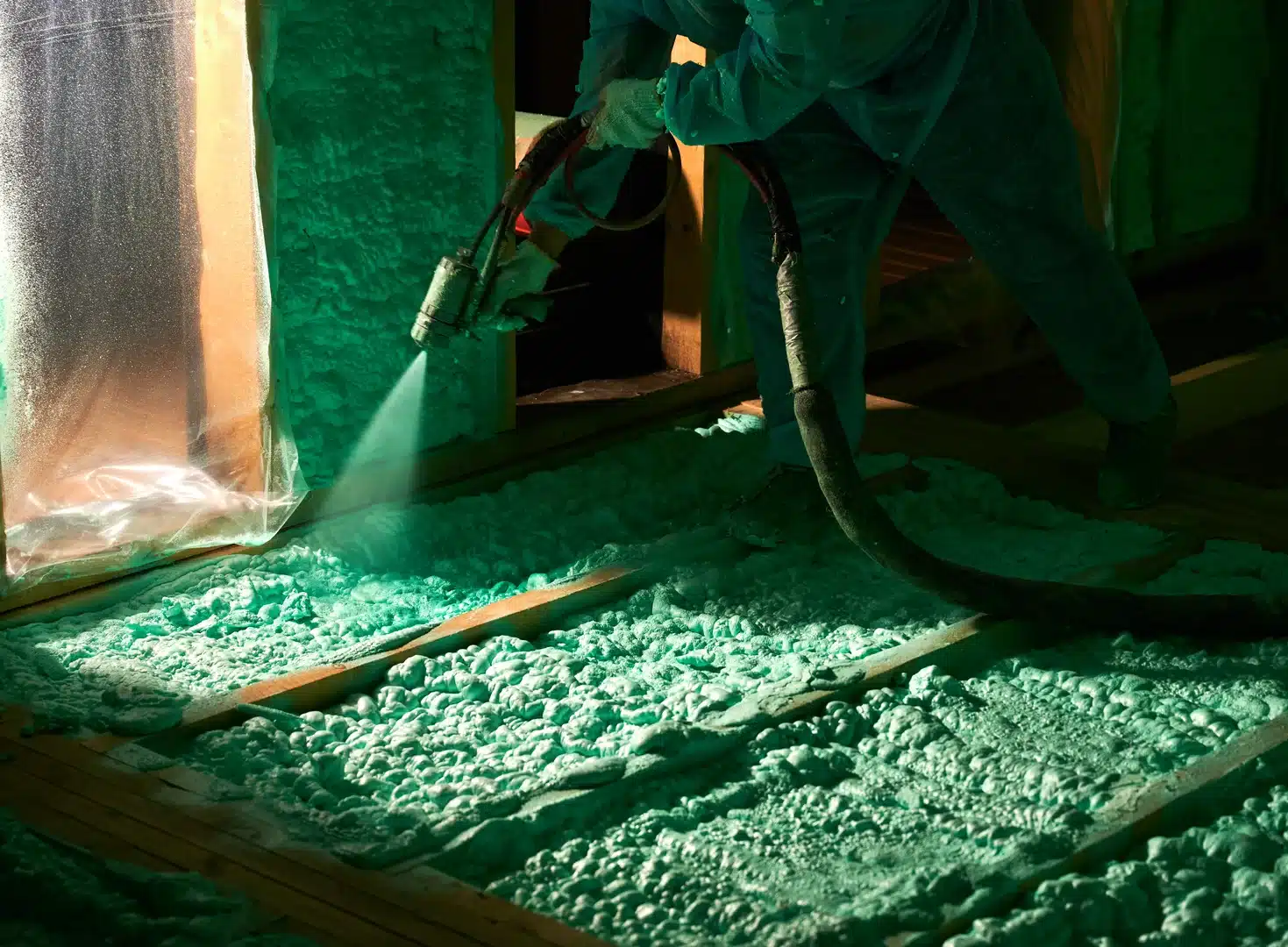
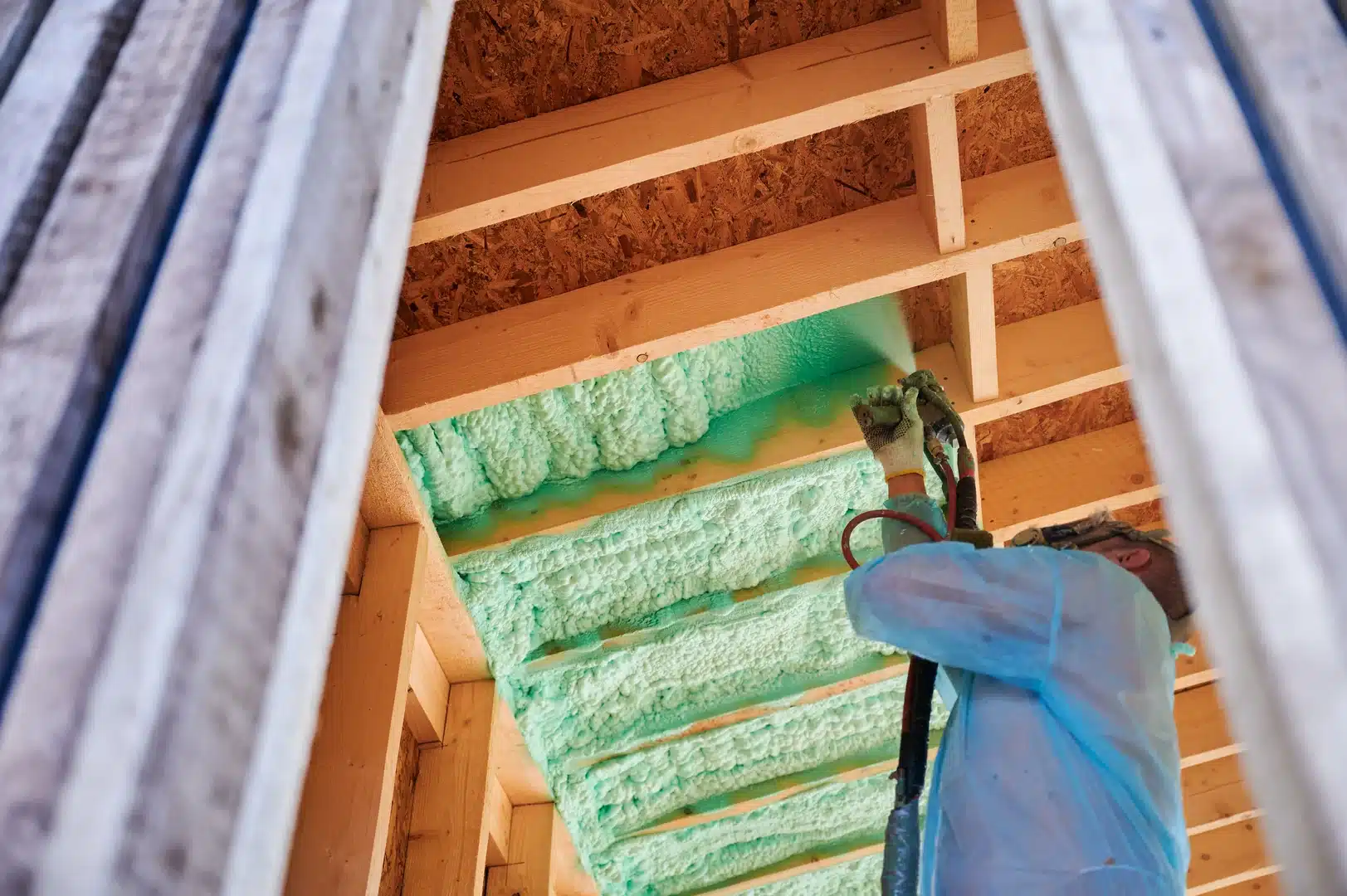
Spray Foam Insulation Services

Spray foam insulation installation does two jobs at once: it insulates while expanding into gaps where air can sneak through. This is especially useful when drafts or heat loss keep showing up in the same parts of your home.

As part of our insulation services, we start by assessing your home and identifying where insulation or air sealing can make the biggest difference. Depending on the application, that may mean open-cell or closed-cell spray foam.

Closed-Cell Spray Foam vs Open-Cell Spray Foam
Open-Cell Spray FoamClosed-Cell Spray Foam
R-value per inch~R-3.5 to R-3.6~R-6 to R-7
DensitySofter, lower densityDense and rigid
Vapor permeabilityHigherLower
Relative costLowerHigher
Typical useFilling gaps, irregular spaces, and interior wallsAreas where insulation and moisture control both matter
Best fitProjects with more space for insulationAreas where higher R-value per inch matters, including New England homes with long heating seasons

Closed-Cell Spray Foam

Closed-cell spray foam cures into a dense, rigid material and typically provides about R-6 to R-7 per inch. Its higher insulating value and lower vapor permeability can make it useful where insulation and moisture control both matter. It also packs more insulation per inch, making it a great fit for New England’s long heating seasons.

Open-Cell Spray Foam

Open-cell spray foam is softer and less dense, typically providing around R-3.5 to R-3.6 per inch. It expands to fill gaps and irregular spaces, helping insulate and limit air leakage while generally costing less than closed-cell foam. Where the foam is going matters, so we’ll look at the space before deciding whether open-cell makes sense for the job.

Benefits of Spray Foam Insulation

Those small gaps around your home can add up to surprising heat loss. Because spray foam insulates and air seals at the same time, it benefits your home well beyond the attic:

  • Fewer Drafts: Spray foam expands into gaps and irregular spaces to reduce the air leakage that can leave rooms feeling drafty.

  • More Consistent Temperatures: Better insulation and air sealing can reduce uncomfortable hot and cold spots throughout your home.

  • Added Moisture Control: Closed-cell spray foam has lower vapor permeability, adding moisture control where the application calls for it.

  • Long-Lasting Coverage: Once cured, spray foam stays in place rather than settling over time like some loose-fill insulation materials.

  • Energy Savings Through New England Winters: Reducing heat loss can help your home stay cozier through a long heating season with less energy.

Help Reduce the Risk of Ice Dams

Limiting heat loss into the attic reduces the uneven roof temperatures that contribute to ice dams. Proper attic ventilation also plays an important role in managing attic conditions.

Our Spray Foam Installation Process

Before we start spraying foam, we review your existing insulation and any areas of concern, then plan the installation around our findings.

Step 1 — On-Site Assessment

We start by seeing what your insulation is already doing and where spray foam could help. We also check access and other conditions that could affect installation. Then we’ll break down what we find and recommend the next steps for your home.

Step 2 — Installation Day Preparation

Before application, we protect nearby surfaces and clear the areas where we’ll apply the foam. If existing insulation needs to come out first, we’ll include that work in the project plan. We’ll also explain whether you need to leave the area or home and when it’s safe to return based on the product used.

Step 3 — Professional Spray Foam Application

We use specialized equipment to apply spray foam across the designated areas. As the foam expands, it fills gaps and openings to create continuous coverage. Installation time depends on the area size and the amount of work involved.

Step 4 — Post-Installation Inspection and Cleanup

After the foam cures, we check the installed areas for consistent coverage, remove our protective materials, and clean up the work area. We’ll also answer all of your questions before we consider the job finished.

Spray Foam Insulation Service Area

We’re proud to help homeowners throughout New Hampshire, Massachusetts, and southern Maine get more out of their insulation. With long stretches of cold weather, gaps and poorly insulated areas can let valuable heat escape, leading to drafty rooms, cold spots, or an attic that’s warmer than it should be.

Not sure if we service your area? Give us a call, and we’ll let you know if our spray foam insulation installers service your town.

Why Choose Adam V Roofing for Spray Foam Insulation

When you’re comparing spray foam insulation companies, look for a team that understands how insulation fits into the entire attic and roof system.

Here’s why New England has trusted Adam Vaillancourt Roofing & Gutters since 2004:

  • Whole-Attic Approach: We check insulation, air leakage, moisture, and heat loss for comprehensive protection.

  • Fewer Problems Get Overlooked: Our roofing and attic ventilation experience helps us spot insulation opportunities.

  • Qualified Insulation Work: Our team is licensed to perform insulation work in New Hampshire, Massachusetts, and southern Maine, giving you a qualified contractor for the job.

  • Know What You’re Paying For: You receive an itemized written proposal before work begins, giving you a clear picture of the recommended work and associated costs.

  • Insulation Incentives: Our team will connect you with active insulation incentives, including Mass Save in Massachusetts, NHSaves in New Hampshire, and Efficiency Maine in Maine. These programs generally incentivize air sealing plus cellulose or fiberglass. Spray foam may not qualify on the same terms.

Spray Foam Insulation FAQs

Spray foam insulation costs vary based on the area being insulated, accessibility, foam type, and the amount of material needed. We provide a no-obligation written quote based on your home and project.

Possibly. You may need to leave the application area or home during installation and curing, depending on the product and where it’s being installed. We’ll tell you what to expect and when you can safely return.

Open-cell foam is softer with a lower R-value per inch, while closed-cell foam is denser, offers a higher R-value per inch, and has lower vapor permeability. The right choice depends on where the insulation is being installed and what the space requires.

It depends on where your home is losing heat and what the space needs. Spray foam works well when air sealing or filling irregular spaces is a priority, while blown-in fiberglass or cellulose may be better suited to other applications.

We provide insulation services throughout New Hampshire, Massachusetts, and southern Maine. Because our spray foam service area varies by location, contact us with your address, and we’ll confirm whether we currently serve your neighborhood.

Get Your Free Spray Foam Insulation Quote

When you’re comparing spray foam insulation installers, choose a team that knows what to look for beyond the insulation itself.

At Adam Vaillancourt Roofing & Gutters, we know attics from the insulation to the roof. Ready to ditch the drafts and enjoy a cozy home? Request your free spray foam insulation quote today.