
If you’re unsure when to replace a roof, you’re not alone. Many homeowners are struggling to balance rising roofing costs, aging materials, and unpredictable weather.
At Adam Vaillancourt Roofing, we’ve spent more than 20 years helping homeowners make smart roofing decisions that protect both their homes and budgets. Addressing roofing issues early can help prevent costly structural repairs, water damage, and emergency replacements later on.
Our roofing experts will cover the key warning signs, optimal seasonal timing, costs, and local factors for when to replace a roof in New England.
Table of Contents
Understanding Roof Lifespan by Material
One of the best ways to know when to replace your roof is by its age, which varies based on several key factors:
- Roofing material
- Installation quality
- Ventilation system
- Weather exposure
- Routine maintenance
In New England, roofs often age faster than the national average due to heavy snow, ice dams, freezing temperatures, and frequent seasonal storms.
Here’s a general overview of how long common roofing materials typically last in this region:
Asphalt Shingle Roofs
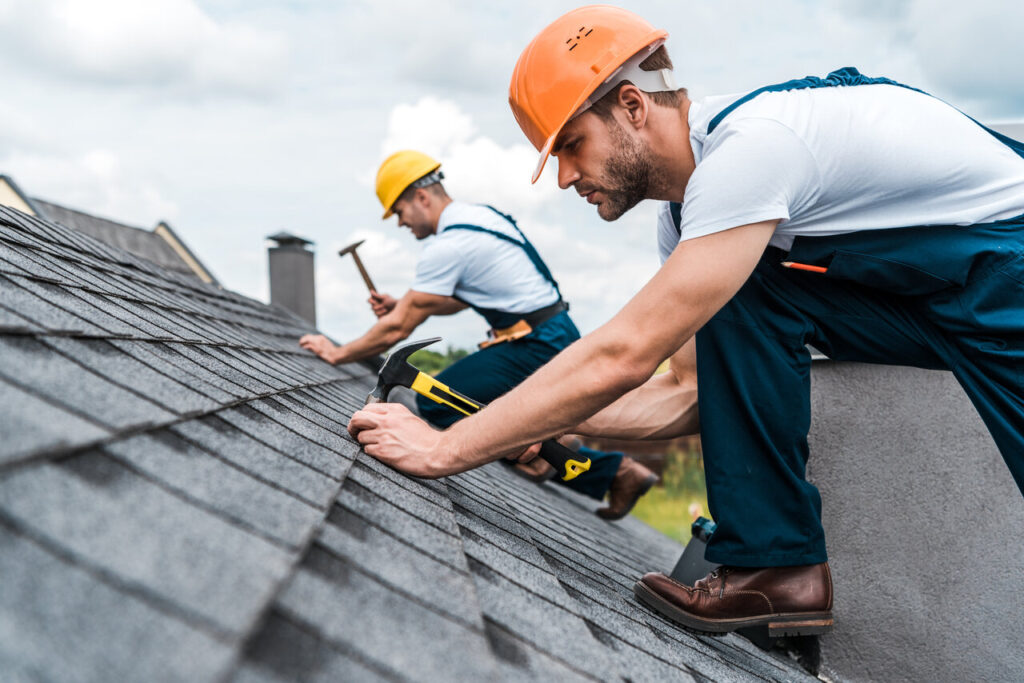
Asphalt shingles are one of the most popular roofing materials in New Hampshire and Massachusetts because they are durable and cost-effective.
However, New England winters are particularly tough on asphalt roofs. Over time, freeze-thaw cycles can weaken shingles, loosen flashing, and increase the risk of water intrusion.
While some asphalt roofs can last close to 30 years, many homeowners in this region begin to see signs of replacement at 20–25 years.
Metal Roofing Performance
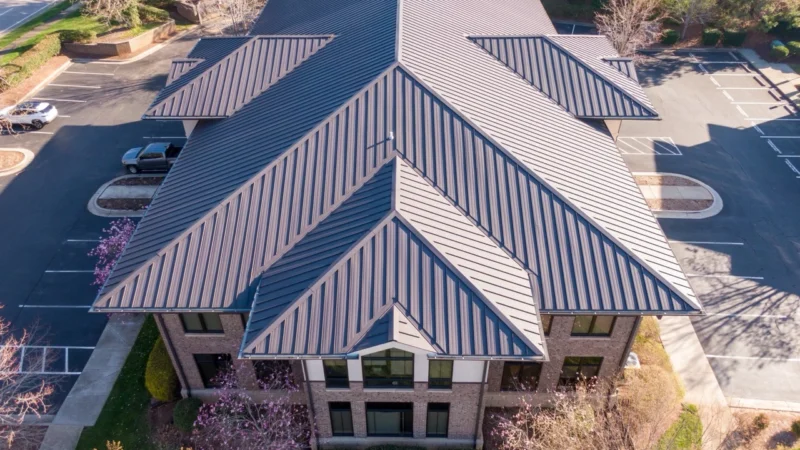
Metal roofing has become more popular across New England in recent years. They perform extremely well in snowy climates because they shed snow more easily and resist moisture better than many traditional roofing systems.
A properly installed metal roof can:
- Handle heavy snow loads
- Reduce ice dam risks
- Resist wind damage
- Last 50 years or longer
While the upfront cost is usually higher, metal roofing is a long-term investment that requires less maintenance.
Premium Materials: Slate and Cedar
Many older New England homes have slate or cedar roofing because of their classic appearance and long lifespan.
Slate roofs can last for decades, sometimes even close to 100 years, but they do require specialized installation and repairs. Cedar roofs offer beautiful curb appeal, but they need more maintenance to prevent moisture damage and deterioration.
For historic homes, it’s especially important to work with a roofing contractor who understands when to replace roof shingles in New England weather conditions.
Warning Signs Your Roof Needs Replacement
Knowing when it is time to replace a roof can help you prevent water damage, insulation problems, and structural repairs later on.
Here are common warning signs you need a new roof:
Exterior Visual Inspection Signs
One of the easiest ways to spot roofing problems is by checking for visible exterior damage. Look for:
- Missing, cracked, or curled shingles
- Granule loss in gutters
- Daylight visible through the roof boards
- Sagging or uneven roof lines
Interior Warning Signals
Roofing problems don’t always start outside. Sometimes the first signs appear inside your home. Here are interior signs of when to replace roof shingles:
- Water stains on ceilings or walls
- Higher energy bills from poor insulation
- Mold or mildew in attic spaces
Age and Documentation Review
In many cases, the strongest indicator that a roof may need replacement is its age. If your roof is nearing the ranges below, it’s a good idea to schedule a professional inspection, even if there are no obvious signs of damage:
- 20–25 years for asphalt shingles
- 40+ years for metal roofing
- 25–40 years for cedar roofing
We also recommend keeping records of installation dates, past repairs, warranty details, storm damage claims, and inspection reports. This documentation can help you better understand your roof’s remaining lifespan and plan ahead for replacement when needed.
Timing Your Roof Replacement for Maximum Value
The timing of a roof replacement can have a big impact on cost, scheduling, and the installation process. New England weather conditions, such as snow, ice dams, and freezing temperatures, also severely affect roofing timelines.
Here’s how to know when to replace a roof:
Best Seasons for Roof Replacement in New England
Spring and early summer are ideal for roof replacement because temperatures are more consistent and roofing materials install properly.
Fall is also a popular time for roofing projects since many homeowners want their roof finished before winter weather arrives. Because of high demand, roofing schedules often fill quickly during this season.
Winter roof replacements are possible in emergencies, but snow and freezing temperatures can make projects more difficult and expensive.
Market Timing and Cost Optimization
Roofing costs can change throughout the year based on material pricing and contractor demand.
Homeowners who schedule early often have:
- More scheduling flexibility
- Better material availability
- More time to compare estimates
- Less risk of emergency repair costs
After major storms, it’s also important to document roof damage quickly and schedule an inspection as soon as possible for insurance purposes.
Planning Around Weather Patterns
New England weather can change quickly, so roofing projects require careful planning around weather patterns. Rain, wind, or sudden temperature drops can occasionally delay installation.
Working with a local contractor who understands New England weather patterns helps keep projects on track and protects your home throughout the process.
Common Roof Replacement Mistakes To Avoid
Knowing when to replace a roof can save you time, money, and stress. Here are common roof replacement mistakes to avoid:
- Waiting too long to replace an aging roof
- Ignoring small leaks or missing shingles
- Repeatedly paying for repairs on a failing roof
- Choosing the cheapest estimate instead of the best value
- Hiring contractors without proper licensing or insurance
- Using lower-quality materials that may not hold up in New England weather
- Failing to document storm damage quickly for insurance claims
- Skipping professional inspections before deciding between repair and replacement
Working with an experienced local roofing contractor helps homeowners avoid interior water damage, mold and mildew growth, and structural repair costs.
Professional Assessment: When To Call an Expert
Some roofing problems are easy to spot, but others can be difficult to identify without a professional inspection. Even roofs that look fine from the ground may have hidden damage underneath the shingles or inside the attic.
“When do I need to replace my roof?” Schedule a professional inspection if you notice:
- Recurring leaks
- Missing or damaged shingles
- Sagging roof areas
- Water stains inside the home
- Rising energy bills
- A roof that’s more than 20 years old
A professional inspection can help determine if repairs are possible or if replacement is the better long-term option.
Professional Roof Inspection Process
A professional roof inspection usually includes:
- Exterior roof evaluation
- Flashing and ventilation inspection
- Attic and moisture assessment
- Structural condition review
- Documentation of damage or problem areas
At Adam Vaillancourt Roofing, we offer an honest assessment of your roof components to help you make the right decision.
Professional roof cleaning and maintenance can also help you stay ahead of minor issues.
Getting Accurate Replacement Estimates
When comparing roof replacement estimates, it’s about more than just the final price. A quality estimate should clearly explain:
- Roofing materials being used
- Warranty coverage
- Ventilation upgrades
- Cleanup and disposal
- Project timeline
- Any potential structural repairs
Adam Vaillancourt Roofing has been replacing roofs in New Hampshire, Southern Maine, and Massachusetts for over 20 years. Our teams understand local building codes and weather conditions, delivering long-term roofing performance to New England’s communities.
Schedule a Professional Roof Inspection
If you’re unsure when to replace your roof, a professional inspection can help you make the right decision before small problems become expensive repairs.
At Adam Vaillancourt Roofing, we provide free roof inspections and honest recommendations based on your roof’s condition, age, and long-term performance. Our team serves homeowners throughout New Hampshire, Massachusettss, and southern Maine with experienced residential roofing services built for New England weather.
Whether your roof needs a simple repair or a full replacement, we’ll help you assess your roof’s remaining lifespan and take the next steps with no pressure and no guesswork
Frequently Asked Questions
How long does a typical roof last in New Hampshire and Massachusetts?
Asphalt shingles last 20-25 years in New England’s harsh climate, while metal roofs can last 50+ years. Climate factors like ice dams and freeze-thaw cycles reduce manufacturer estimates by 5-10 years.
What time of year is best for roof replacement in New England?
Late spring through early fall offers optimal weather conditions for roof replacement. It’s best to book early, as contractors are busiest in May to September. Winter emergency replacements also typically cost 20-30% more due to weather challenges.
Should I repair or replace my 15-year-old roof?
If repairs exceed 30% of the replacement cost or cover more than 30% of the roof area, replacement is typically more cost-effective. Multiple repair areas often indicate systemic failure requiring full replacement.
How much does roof replacement cost in New Hampshire and Massachusetts?
Asphalt shingle replacement ranges from $8,000 to $15,000 for average homes. Metal roofing costs $12,000-$25,000. Costs vary by material, roof complexity, and local permit requirements.
Will insurance cover my roof replacement?
Insurance covers storm damage and sudden events, but not normal wear and tear. Document damage immediately after storms and file claims promptly for the best coverage outcomes.